When the Crisis Hits Home: Iowa County Leaders Who Chose Cooperation Over Combat
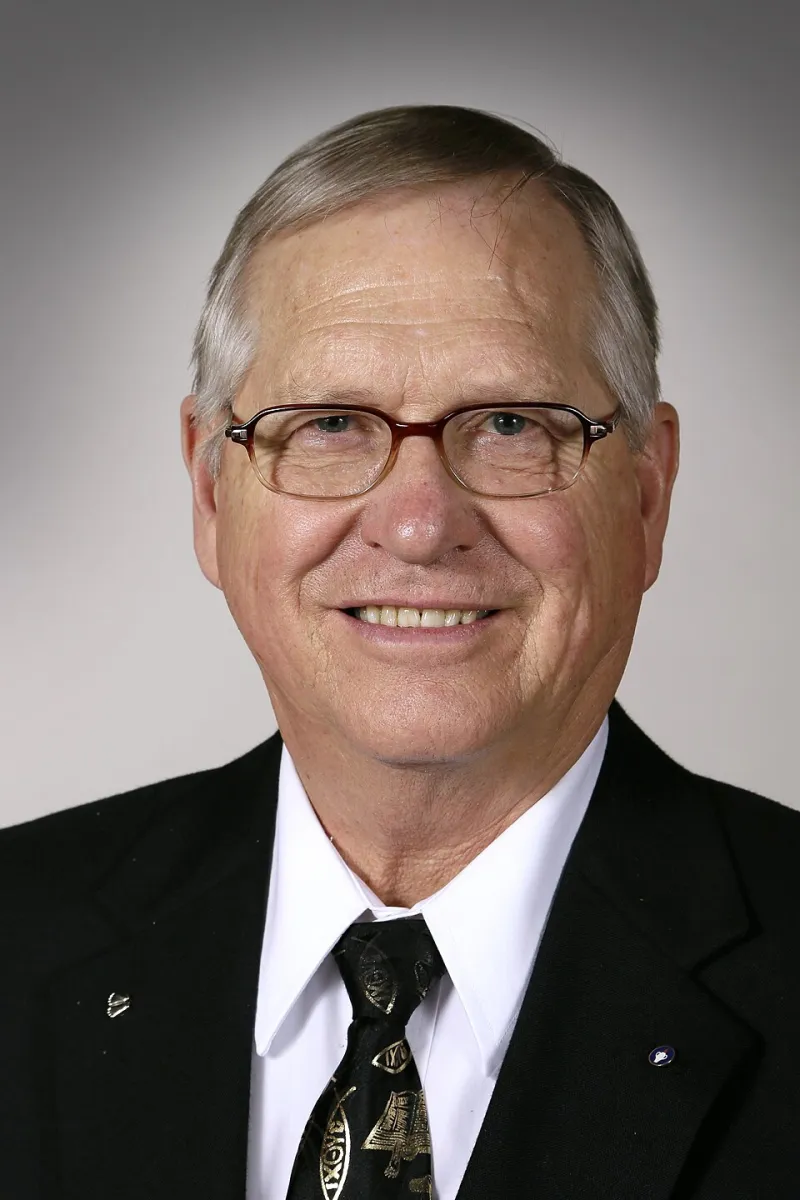
Photo: Charlie Neibergall, Copyrighted free use, via Wikimedia Commons
Nobody Wins a Political Argument at a Funeral
There's a particular kind of quiet that settles over a small Iowa town after it loses someone to addiction or suicide. People don't reach for their party registration cards in those moments. They reach for each other.
That shared grief — and the exhaustion that comes with it — is doing something that cable news pundits keep insisting is impossible. It's pushing Republican and Democratic county commissioners in Iowa to sit down at the same table, look at the same numbers, and actually build something together.
This isn't a feel-good story about politicians suddenly discovering their better angels. It's more practical than that. Mental health doesn't care who you voted for, and neither do the county budgets that have to deal with its fallout.
The Numbers That Changed the Conversation
For years, mental health funding in Iowa was the kind of topic that got shuffled to the back of county board agendas. It felt abstract — a state-level problem, a federal problem, somebody else's problem. Then local leaders started connecting the dots.
In several rural counties, law enforcement officials began presenting data showing how much of their call volume involved mental health crises. Emergency room administrators shared what it was costing to hold patients in crisis when no inpatient beds were available. School counselors talked about waitlists stretching months out. Suddenly, the issue stopped being abstract.
When you can put a dollar figure on the downstream costs of untreated mental illness — in emergency services, in lost productivity, in families that fall apart — the conversation shifts. It stops being a debate about values and starts being a conversation about math.
That reframing has been quietly powerful in county boardrooms across Iowa.
Peer Support: The Program Both Sides Can Live With
One of the areas where bipartisan cooperation has taken the firmest hold is peer support networks — programs that connect people in recovery or mental health crises with trained community members who've walked a similar road.
Peer support programs have an unusual political profile. Conservatives tend to like them because they're community-based, relatively low-cost, and built around personal responsibility and lived experience rather than government bureaucracy. Progressives like them because they're accessible, non-stigmatizing, and reach people who'd never walk into a traditional clinical setting.
In practical terms, that means county boards that can't agree on much else have been able to fund peer support initiatives without a lot of drama. The programs aren't cheap, but they're cheaper than the alternatives — and that argument lands on both sides of the aisle.
Several Iowa counties have also leaned into the workforce angle. In communities where the labor shortage is a constant headache, framing mental health investment as an economic issue — healthier workers, lower turnover, more functional families — has helped commissioners justify the spending to constituents who might otherwise be skeptical.
The Quiet Architecture of Local Solutions
What's interesting about Iowa's county-level mental health work isn't any single dramatic initiative. It's the accumulation of small, unglamorous decisions that add up to something real.
Counties pooling resources to share a mobile crisis team. A commissioner who's a farmer and a commissioner who's a retired teacher agreeing that the high school needs a counselor. A Republican-led board approving a grant application for a substance use prevention program because the sheriff asked them to.
None of these moments make headlines. They happen in meeting rooms in county courthouses that most residents have never set foot in, at agenda items that come after the road maintenance discussion and before the adjournment.
But they matter. A lot.
Iowa's Mental Health and Disability Services regions — the framework the state uses to coordinate county-level mental health funding — have created natural spaces for this kind of collaboration. When commissioners from multiple counties have to sit down and decide how to allocate shared resources, they're forced into a kind of pragmatic negotiation that cuts through a lot of ideological noise.
What Gets in the Way
It would be dishonest to pretend this is all smooth sailing. There are real sticking points.
Funding is the obvious one. Iowa's mental health system has faced chronic underfunding for years, and counties are often left filling gaps that the state and federal government haven't addressed. That creates pressure and resentment, and it sometimes spills into partisan blame-shifting.
There are also genuine philosophical disagreements about the role of government in addressing mental health. Some commissioners are deeply skeptical of anything that looks like expanding public services. Others worry that community-based approaches let the state off the hook for systemic investment.
And then there's the stigma problem, which hasn't gone away. In some communities, even getting mental health onto the county agenda requires navigating around elected officials who'd rather not talk about it publicly.
But the commissioners who've managed to move past these obstacles tend to share a common approach: they keep the focus relentlessly local. Not on federal policy, not on national debates about healthcare — on the specific people in their specific county who need help and the specific resources available to provide it.
The Role of Everyday Iowans
Here's something worth noting: in most of the counties where mental health cooperation has made real progress, it didn't start with commissioners. It started with constituents.
Parents who showed up to board meetings after losing a child. Veterans' groups that pushed for peer support funding. School boards that flagged the crisis before county boards were ready to hear it. Faith communities that had been running informal mental health support for years and wanted the county to formalize and fund it.
Elected officials, it turns out, are often more willing to cross political lines when their constituents are already standing on the other side waiting for them.
That's a useful thing to remember. The mental health crisis in Iowa isn't going to be solved by a governor's press conference or a legislative package in Des Moines — though both of those things matter. It's going to be solved, one county at a time, by people who decide that getting something done is more important than being right.
Common Ground Doesn't Mean Easy Ground
Bipartisan cooperation on mental health isn't a magic solution. It doesn't resolve the underlying resource gaps, and it doesn't mean everyone agrees on the best approach. What it does mean is that people in hard situations are choosing to work together anyway.
In Iowa, that's not nothing. It's actually kind of everything.
The next time your county board has a mental health item on the agenda, it might be worth showing up. Not to argue a position, but to watch — and maybe to be part of — the quiet work of building something that helps your neighbors.
That's how most of the good stuff in Iowa gets done.