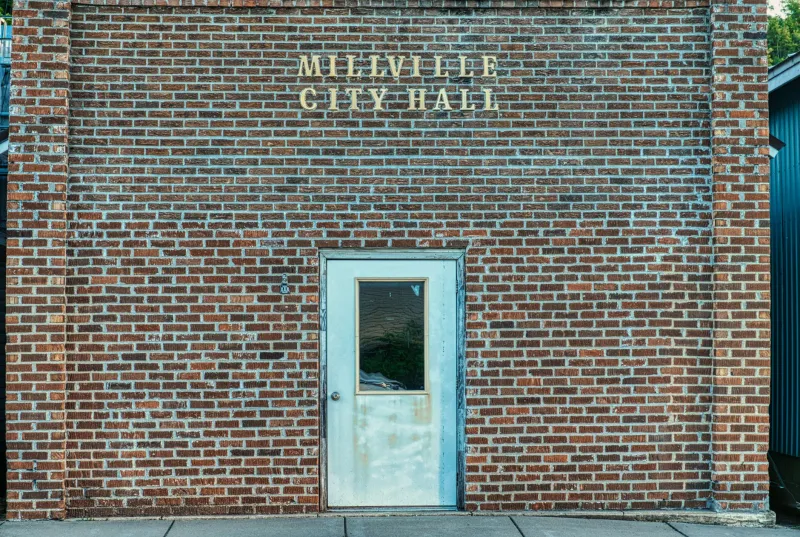
From Shouting Match to Handshake: How Millbrook Turned a Zoning Fight Into a Community Win
If you'd walked into the Millbrook Community Center on a Tuesday evening about two years ago, you might have thought you'd stumbled into a city council meeting crossed with a family Thanksgiving argument. People were on their feet. Voices were raised. Someone had made a poster. It wasn't pretty.
The fight was over a proposed rezoning of a stretch of older properties along Elm Avenue — a mix of tired single-family homes, a shuttered hardware store, and a parking lot that had been a source of neighborhood embarrassment for years. A local developer wanted to build a mixed-use project: ground-floor retail, apartments above, maybe a coffee shop. Sounds reasonable enough, right?
Not to the folks who showed up that night.
The Usual Suspects, the Usual Complaints
On one side, you had longtime homeowners who'd watched their street slowly hollow out and weren't thrilled about the idea of more renters moving in. On the other, younger residents and a handful of small business owners who thought denser, walkable development was exactly what Millbrook needed to stop losing people to bigger towns. City council members were caught in the middle, getting calls from both camps and not sure which way to lean.
For a while, it looked like the whole thing was going to get swallowed up by the same tired political narratives you see everywhere. A few out-of-town voices on social media started framing it as a "big government density agenda" versus "protecting neighborhood character." The local paper ran a couple of letters to the editor that had almost nothing to do with Elm Avenue and everything to do with national talking points.
But here's where Millbrook's story takes a different turn.
Somebody Decided to Ask Better Questions
A city council member — we'll call her Carol, because that's her name and she doesn't mind being mentioned — suggested something unusual before the next public meeting. Instead of opening the floor to comments right away, she proposed breaking residents into small groups and asking them a single question: What do you actually want this street to look like in ten years?
No politics. No zoning code language. Just: what do you want?
The answers surprised people. The homeowners who'd been most vocal against the project said they wanted the parking lot gone, they wanted a place to grab a cup of coffee without driving fifteen minutes, and they wanted the empty hardware store to stop attracting graffiti. The younger renters said they wanted to be able to afford to stay in Millbrook and wanted to feel like the town was investing in its future. The small business owners wanted foot traffic.
Those lists looked a lot alike.
"Once we stopped talking about zoning and started talking about what we actually cared about, the room changed," Carol said. "It turned out people weren't as far apart as they thought."
The Compromise Nobody Hated
What followed over the next few months wasn't fast or easy, but it was real. The developer came back with a revised plan that addressed several specific concerns raised in those small-group sessions. Building height was scaled back by one floor. A portion of the ground-level retail was set aside for a community use — a small meeting space that local groups could rent cheaply. Parking was redesigned to include a small green buffer that neighbors had specifically asked for.
Crucially, the city agreed to create a neighborhood advisory committee with actual teeth — not just a rubber-stamp group, but one with the ability to flag concerns during the construction process and weigh in on future development proposals on that corridor.
The final vote wasn't unanimous. A few people still voted no, and they had legitimate reasons. But the meeting where the revised plan passed? Nobody made a poster. Nobody shouted. A few people who'd been on opposite sides of the original fight ended up chatting in the parking lot afterward.
What Made It Work
Talk to people in Millbrook now and a few things come up consistently when they explain why this particular dispute didn't blow up the way so many others do.
First, the process was designed to find common ground before positions hardened. That early small-group exercise wasn't a gimmick — it genuinely shifted the conversation from "are you for or against this?" to "what are we trying to accomplish together?"
Second, the developer was willing to actually listen. That's not always a given, and it matters more than people realize. When residents saw their specific feedback show up in a revised plan, trust went up. Not all the way up, but enough.
Third — and this is the part Carol emphasizes most — the city didn't let outside noise set the agenda. When the social media framing started getting ugly, local leaders were pretty deliberate about redirecting attention back to the specific block, the specific people, the specific needs of Millbrook. "This isn't a national debate," Carol told one meeting. "This is our street. Let's talk about our street."
A Model Worth Stealing
Millbrook isn't a perfect town, and Elm Avenue isn't a perfect development. The coffee shop that opened last spring has a little too-limited menu according to at least three people we spoke with, and the community meeting room is reportedly underused. Real life is like that.
But several nearby towns have now reached out to Millbrook's planning department asking how they ran that initial community engagement process. Two have already adapted the small-group question format for their own zoning disputes. One city planner from a larger Iowa city came down just to observe a neighborhood advisory committee meeting.
The bigger lesson isn't really about zoning codes or mixed-use development. It's about what happens when you design a process that treats residents like adults with real concerns instead of obstacles to manage or votes to win.
People can surprise you. Give them the right room, ask them the right questions, and sometimes a shouting match really does turn into a handshake.
Millbrook's got a block party planned on Elm Avenue this summer, right in front of the old parking lot that's now a small green space with a bench and a couple of trees. Everybody's invited. Even the people who voted no.
That feels about right.